

The Row’s Handbag Roundup, Explained: Understanding the Brand’s Core Silhouettes
The house sits in a distinctive standing in contemporary fashion. The label was founded by Mary-Kate and Ashley Olsen in 2006, and in the almost twenty years that followed, it has shaped a name resting on restraint, rather than on logos or seasonal noise. Absent are the monogram canvas, the obvious branding, the visible hardware angling for attention. The Row bags, rather than chasing branding, rely on proportion, leather quality, and construction that repays close inspection. For anyone trying to understand why these pieces command such loyalty — and such high resale value — it helps to look at the core silhouettes that define the house rather than treating the collection as an undifferentiated pile of “luxury minimalism.”
Where to look if you’re chasing a deal is explained in this overview, as well as how a row sale really tends to play out in practice — but first, it unpacks the cuts that matter and explains what separates a truly excellent piece from a merely pricey one.
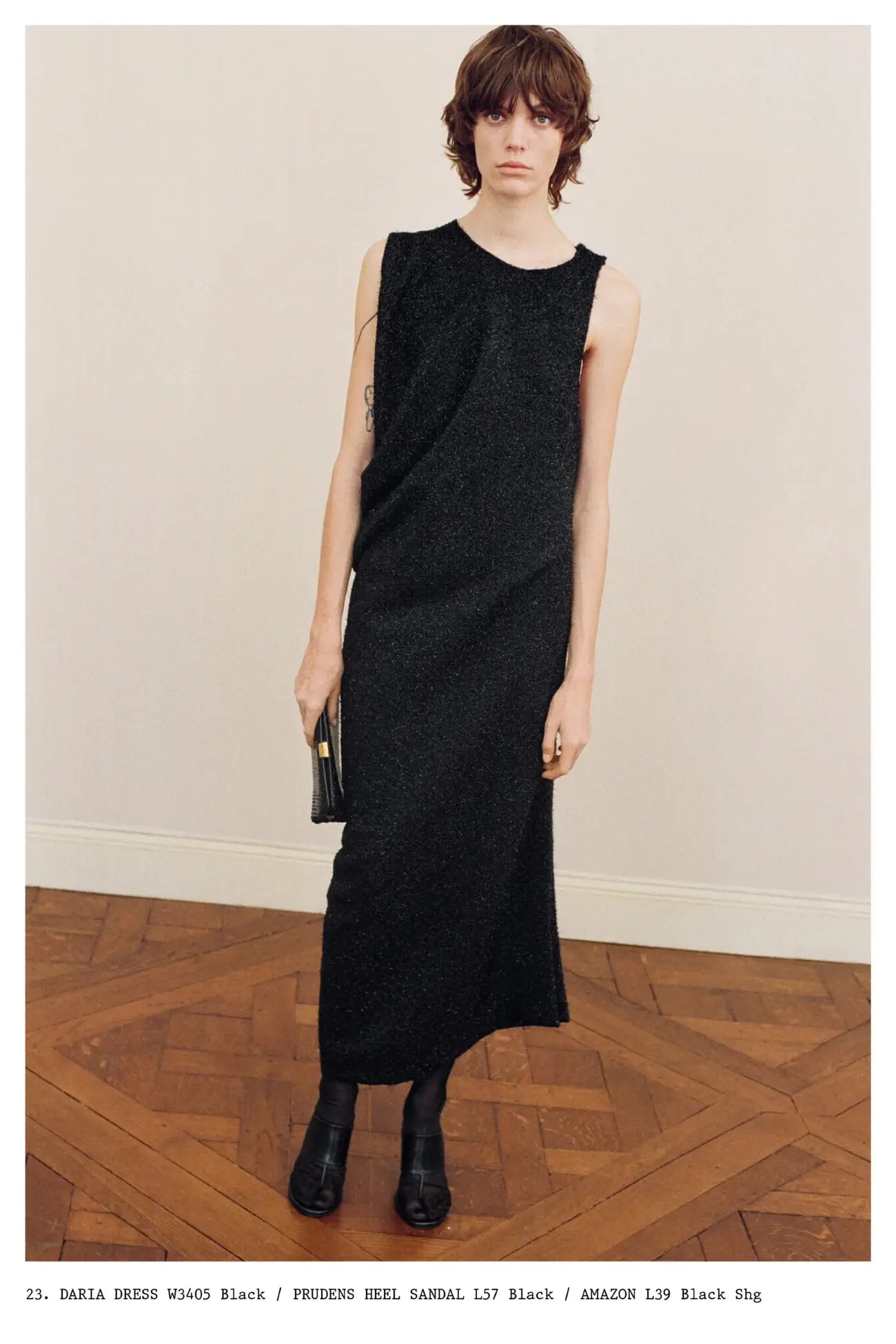
The Thing That Causes The Row’s own Handbag Ethos Different
The majority of luxury houses cultivate recognition through repetition — a distinctive hardware detail, a padded diamond-stitch design, a monogram. The Row does the opposite. Relaxed, fluid shapes, subdued color schemes (think taupe, ecru, black, and various browns), and leathers so supple they require almost no embellishment to the row bag handbag justify their price — these are what its creative identity is built around. This is deliberate. The designers have voiced their wish for garments and accessories to operate as understated luxury rather than conspicuous status markers.
The upshot is an assortment of the row’s handbag lineup that read barely distinguishable in photos yet feel worlds apart in hand. A first-time buyer often underestimates The Row until they touch the leather or realize how a bag keeps its structure without heavy structural backing. That physical nuance is essential for grasping the brand’s pricing, which often ranges from $2,000 and $6,900 depending on size, leather type, and hardware finish.
The Margaux: The Brand’s Iconic Tote
Should there be a single bag that placed The Row firmly in the spotlight for a wider crowd beyond those steeped in fashion, the answer is the Margaux. Initially debuted in the early 2010s, this the row tote bag evolved into something of a cult object by the mid-2020s, carried by editors, stylists, and off-duty models who wanted a bag that read as luxurious without appearing flashy. The Margaux is available in a range of sizes — often listed as Margaux 10, 12, 15, and 17, with the number roughly corresponding to width in inches — giving buyers a range from compact everyday carry to a true office-suited tote that holds a laptop and documents.
A relaxed, open-top tote with pared-back hardware and rolled handles built for shoulder wear remains at the core of this simple shape. Leather options have included smooth calfskin and grained finishes, with colourways rotating seasonally but rarely straying far from neutral territory. Because the label deliberately restricts how widely it’s sold, stock comes and goes for The Row Margaux bag — which is part of why demand on the secondary market remains elevated, a fact that often leads to people asking where to buy it.
Sofia, Wander, and Other Structured Choices
The Row’s catalogue, beyond the Margaux, includes several structured and semi-structured bags that serve different purposes. Buyers looking for something closer to a briefcase instead of a slouchy tote tend to gravitate toward the Sofia bag, thanks to its a more architectural top-handle shape. In the crossbody category, the Wander has built its own niche — more compact, more casual, and more affordably priced than the label’s larger totes, often making it a typical entry point for first-time buyers.
There’s also the Ascot, a boxier top-handle bag with a distinctly retro silhouette, and various clutch and pouch styles that appear more sporadically depending on the season. Different use cases are covered by each: office wear suits the Sofia, the Wander handles daily errands, and the Ascot fits evening or more formal settings. While The Row is frequently labeled in conversation to “the tote brand,” the brand actually produces a fairly diverse set of silhouettes across multiple price points and functions, which is why understanding this range matters.
Craftsmanship, Build, and What Justifies the Price
The Row’s leather sourcing is a major factor in why the brand’s pricing sits where it does. Leathers tanned in Italy have been used extensively by the house, and for pieces such as the Margaux, the finishing process relies on minimal stitching lines in order to create the loose, undone hang. Fewer seams generally mean more leather waste during production, which is part of why the cost stays high even though the aesthetic reads as simple.
When present, hardware leans understated — compact clasps, subtle zippers, understated stamped branding rather than embossed branding. This is consistent across the row bag lineup and extends to smaller leather goods like card holders and pouches. Buyers evaluating a purchase should look closely at stitching consistency, how the leather ages (most pieces develop a natural patina over time), and whether the bag’s slouch returns to shape after use, since these are the details that separate authentic craftsmanship from imitation pieces flooding secondary markets.
A Comparison of the Core Silhouettes
The table below summarizes the practical differences between four of the most frequently searched the row bags, based on typical size range, use case, and general price positioning as of 2026.
| Cut | Everyday Application | Size Range | Approximate Price Band |
|---|---|---|---|
| Margaux | Suited to everyday carrying as well as office bags | Starting at Margaux 10 and going to Margaux 17 | Mid to high (varies based on size and leather type) |
| Sofia | An structured style meant for workplace use | One principal size available, sometimes supplemented by variants | High |
| Wander | The cross-body style for casual everyday use | Centered around a single petite size | A more accessible price compared to tote styles |
| Ascot | Meant for evening and formal settings | Small to medium | Top-tier |
This overview isn’t exhaustive — The Row regularly introduces limited editions and rotating seasonal palettes frequently — but it offers a working framework for anyone sizing up the leading Row bags before making a purchase decision.
Finding Discounts: How a Row Promotion Really Operates
Its pricing strategy is deliberately conservative, a purposeful decision. In contrast to mass-market luxury labels that stage recurring sales periods, its price reductions tend to surface late in the season, frequently through approved third-party sellers rather than its in-house sales points. A row sale is more likely to surface at established luxury e-commerce platforms or department stores carrying the line, rather than through flash sales or brand newsletters.
Since manufacturing batches are limited, discounted stock disappears quickly, and popular sizes like the Margaux 12 almost never stay available past a few days after being discounted. Patience matters here. People earnest about getting a bargain should establish alerts with merchants known to offer The Row fashion lines, browse end-of-season markdown areas near January and July, and keep themselves set to pounce as soon as something becomes available. Secondhand marketplaces offer another avenue, though proving legitimacy matters greatly given how commonly imitation “Row-style” bags turn up.
Key Points Before Checking Out
Rather than following trends, settling on among the row handbags really is shaped by lifestyle, because these bags are designed to hold up over years rather than seasons. Anyone traveling to work daily with a computer in tow will find considerably more practicality in a Margaux 15 or 17 than in a compact Wander. Anyone who often goes to evening occasions might lean toward the Ascot’s structure over the Margaux’s slouch. Ask yourself a few grounded questions before settling on one:
- For what specific everyday needs will the item see use, and how often?
- Will the hide’s finish work for a easy-care lifestyle, or is consistent upkeep feasible?
- Would the size proportionate to your build and typical day-to-day load?
- As an entry point into the label, might a smaller purchase like a little pouch or card holder make more sense?
These points carry more weight with The Row than with logo-centric labels, given that the appeal here is entirely functional and textural rather than symbolic. If it doesn’t align with daily use, even a beautifully constructed bag will sit idle.
A Closing Word on Building a The Row Edit
Rather than just scrolling through catalog pages haphazardly, buyers gain an edge by getting familiar with The Row’s foundational shapes — namely the Margaux, Sofia, Wander, and Ascot.
Because every silhouette solves a different problem, acknowledging that nuance helps justify the cost involved.
The brand’s refusal to chase trends is exactly the reason its value on the resale market has held firm through 2026, with select Margaux sizes outperforming in value retention than bags from far louder, more heavily marketed labels.
For newcomers to the brand, the wisest strategy is to clarify the everyday need the bag is meant to handle, research what’s currently offered through trusted stockists, and keep an eye out for seasonal markdowns rather than banking on frequent discounts. The Row values patience and precision in equal measure to the craftsmanship found in its bags.